
Call Now &
Get a Quote
Get a Quote

Luxury Vinyl Plank (LVP) flooring is one of the best choices for high-humidity spaces like bathrooms, basements, and kitchens. Why? It’s waterproof, durable, and resists the warping, swelling, and mold issues that plague other flooring types. Here's a quick breakdown:
LVP owes its strong resistance to moisture to its thoughtfully engineered design. Instead of relying on a single layer for protection, it incorporates multiple layers, each working as a barrier to keep water out. This layered construction ensures that LVP remains durable and functional, even in damp or humid environments.
At the heart of LVP's moisture resistance is its rigid core layer, made from either SPC (stone plastic composite) or WPC (wood plastic composite). This core is entirely synthetic, meaning it doesn’t contain organic materials that could absorb water or foster mold growth. Unlike laminate flooring, which often uses high-density fiberboard that swells when exposed to moisture, LVP's core holds its shape and strength no matter how wet the conditions.
The topmost layer, known as the wear layer, acts as the first defense against spills and surface moisture. This transparent polyurethane coating is completely waterproof, preventing liquids from penetrating deeper into the flooring. High-quality LVP typically has a wear layer thickness ranging from 12 to 20 mils, with commercial-grade options offering up to 40 mils for extra durability.
Beneath the core, the backing layer - also made from synthetic vinyl - provides added stability and another line of protection. This layer is especially useful for installations over concrete subfloors or in basements. Sandwiched between the wear layer and the core is the photographic layer, which delivers the flooring’s realistic appearance. Since this layer is also synthetic, it resists damage in high-humidity areas without compromising the look.
What truly sets premium LVP apart is its completely waterproof construction. Every layer is designed to repel moisture, making it capable of withstanding standing water for extended periods without damage. This makes it a great choice for spaces like bathrooms with poor ventilation or basements that occasionally experience minor flooding - areas where traditional hardwood simply wouldn’t hold up.
Beyond its layered design, LVP’s moisture resistance is enhanced by its installation system. Modern click-lock mechanisms create tight, secure seams that prevent water from seeping through to the subfloor.
These systems use precisely engineered tongues and grooves that lock together seamlessly, forming a nearly continuous waterproof surface. The tightness of these joints ensures that even surface water can’t find its way between planks.
Some premium LVP options go a step further with micro-beveled edges. These edges not only enhance the floor’s realistic wood look but also help direct surface water away from the seams, reducing the risk of pooling along the edges.
The floating installation method commonly used with LVP also plays a role in its moisture resistance. By not attaching the flooring directly to the subfloor, the floating system prevents water from penetrating below. The entire floor moves as a single unit, keeping the interlocking joints intact even as the subfloor expands or contracts due to minor moisture changes.
For even greater protection, some manufacturers have introduced advanced sealing technologies. These might include rubber gaskets or sealant strips built into the click-lock mechanism, adding an extra layer of defense against moisture. While standard LVP joints are already highly water-resistant, these innovations provide added reassurance in extremely damp conditions.
Thanks to advancements in manufacturing, these interlocking systems maintain their tight fit over time. Unlike other flooring types that may develop gaps as they age, well-made LVP retains its moisture-resistant seal throughout its life, offering reliable protection against spills and humidity.
When dealing with high humidity, it's important to remember that luxury vinyl plank (LVP) flooring can expand and contract. Proper planning to allow for this movement is key to ensuring the flooring remains durable over time. Here are some tips to help you install LVP successfully in such environments.
In spaces with high humidity, leaving an expansion gap of 1/4 inch along walls and around fixed objects like cabinets or columns is essential. This gap helps prevent issues like buckling, warping, or other stress-related damage caused by pressure changes.
Additionally, make sure each LVP plank locks securely into the next. A tight, properly engaged fit ensures the flooring can handle natural movement without compromising its stability.
Taking care of your LVP flooring not only keeps it looking great but also helps maintain its moisture resistance, especially in areas prone to high humidity. While LVP is built to last with its durable and waterproof layers, a regular maintenance routine ensures it stays in top condition for years to come.
A little daily attention goes a long way in keeping your floors in great shape. Sweep or vacuum every day to remove dirt and debris that could cause scratches or trap moisture. When mopping, stick to a damp mop instead of soaking the floor with water. Use vinyl-safe cleaners, and steer clear of harsh chemicals like bleach or ammonia, which can harm the protective layer. For everyday cleaning, a simple mix of warm water and a few drops of mild dish soap usually does the trick. Avoid using steam mops, as their heat and moisture can push water between the planks. This consistent routine also makes it easier to handle unexpected spills.
LVP is designed to handle water well, but that doesn’t mean spills should be ignored. Quick action is key. If something spills, blot it up right away with a dry cloth or towel, and make sure the area is completely dry afterward. This applies to all kinds of spills - whether it’s water, drinks, pet accidents, or chemicals. Clean the spot with a mild cleaner and dry it thoroughly to prevent any potential damage.
In addition to regular cleaning, taking a few preventative steps can keep your flooring in excellent condition. Place area rugs in high-traffic spots or near doors to catch dirt and moisture before it reaches the floor. Check for leaks around appliances, plumbing fixtures, or pet bowls, and address any issues immediately to avoid water pooling. In moisture-heavy spaces like bathrooms and kitchens, wipe down surfaces often and use exhaust fans during and after showers or cooking to control humidity. Keep an eye out for early warning signs of water problems, such as bubbling, warping, or discoloration, and address them promptly. These simple precautions work hand-in-hand with LVP's built-in durability, helping your floors stay beautiful and functional for the long haul.
When deciding if luxury vinyl plank (LVP) is the right choice for moisture-prone areas in your home, it’s crucial to weigh both its strengths and potential challenges. LVP stands out for its ability to handle humid conditions, but there are a few considerations to keep in mind.
| Advantages | Potential Drawbacks |
|---|---|
| Waterproof core – High-quality LVP often includes a waterproof vinyl core that prevents moisture absorption and warping. | Installation sensitivity – Performance depends on proper installation; poorly sealed edges or gaps can allow moisture to seep in. |
| Dimensional stability – Resists expanding or contracting due to humidity changes, unlike hardwood. | Subfloor demands – A level, dry subfloor is essential, as trapped moisture underneath can still cause problems. |
| Low maintenance – Cleaning is straightforward, with no need for special treatments or refinishing. | Temperature concerns – In extreme heat, inadequate expansion gaps can lead to plank expansion. |
| Affordable option – Typically less expensive than hardwood while providing excellent moisture resistance. | Repair challenges – Damaged planks can be difficult to replace individually, often requiring a larger section to be removed. |
| Variety of designs – Comes in a wide array of styles, colors, and textures to match nearly any décor. | Edge wear risks – High-traffic areas may show wear on plank edges over time, especially with lower-quality products. |
| Fast installation – Click-lock systems allow for quicker setup compared to traditional flooring methods. | Quality variations – Lower-grade LVP may have thinner wear layers, making it less durable in humid conditions. |
These points highlight LVP’s strengths in humid environments while also addressing some of its limitations.
For optimal performance, the quality of the product and proper installation are key. LVP’s resistance to moisture makes it a practical choice for areas where hardwood might fail, but long-term exposure to high humidity can still pose challenges. For instance, floating floors may experience slight expansion, and glue-down adhesives might weaken over time. Maintaining proper ventilation and climate control can help minimize these risks.
The installation method also plays an important role. Floating installations make it easier to replace damaged planks, while glue-down methods offer more stability but can complicate repairs. Ultimately, your decision should be based on the specific conditions of your space and the level of humidity it experiences.
LVP (Luxury Vinyl Plank) is celebrated for its moisture resistance, but choosing the right option for your home - especially in high-humidity areas - requires more than just picking a waterproof label. It takes expert knowledge to understand the nuances of product options, installation techniques, and how to ensure long-term durability. That’s where Elephant Floors stands out, offering tailored solutions based on local expertise.
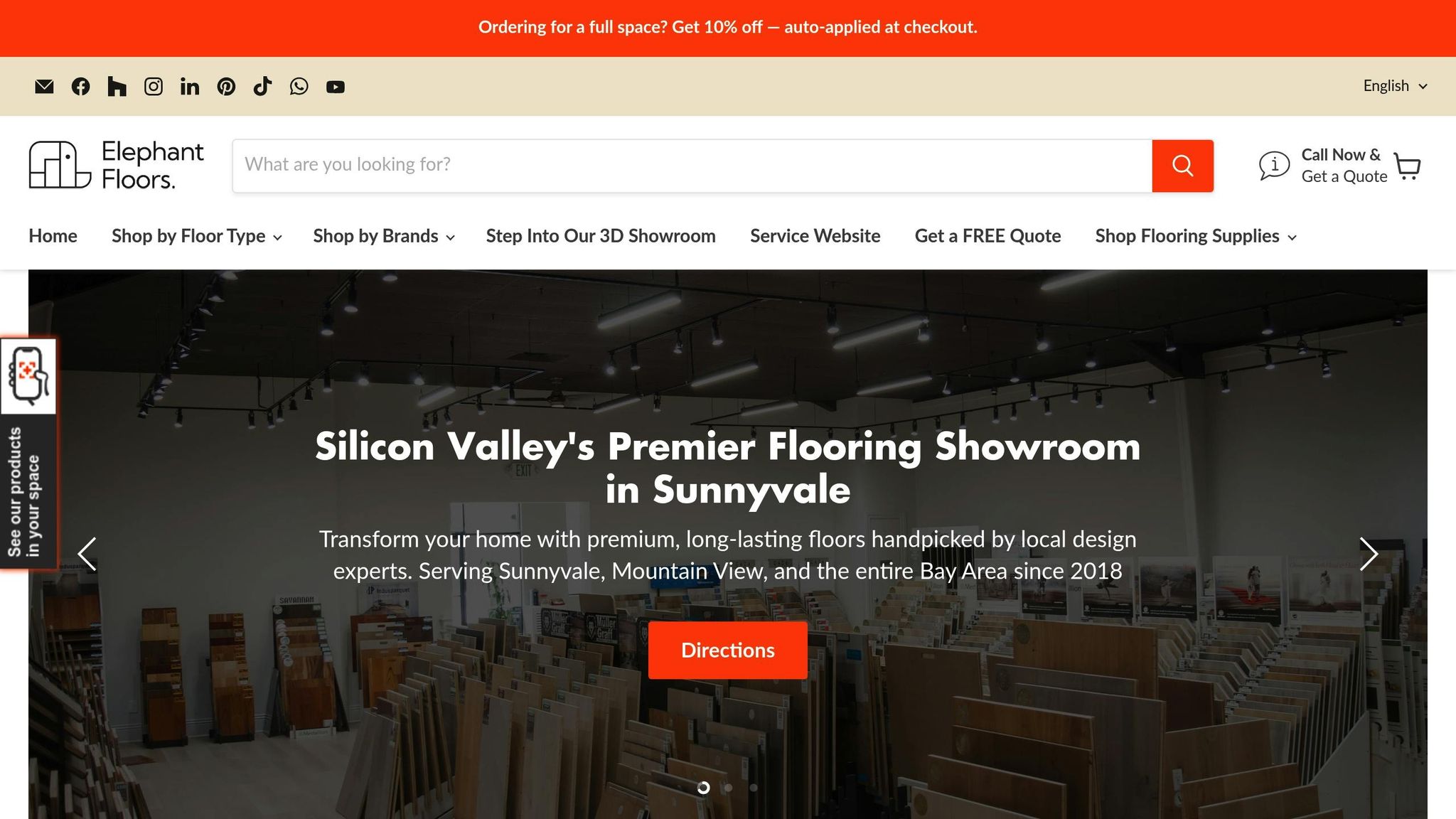
Elephant Floors specializes in helping Bay Area homeowners find the perfect LVP for their unique needs, particularly in addressing California’s diverse climate challenges. From coastal humidity to seasonal indoor moisture changes, their team knows how to recommend flooring that performs well under varying conditions.
They offer detailed guidance on choosing between LVP and LVT (Luxury Vinyl Tile) to address specific moisture concerns in your home. Their recommendations are personalized, ensuring you select the right solution for every room, whether it’s a bathroom, basement, or kitchen.
Free samples and personalized consultations allow you to see and feel the product in your own space. You can test how different textures and finishes hold up under your home’s lighting and humidity before making a decision.
Professional installation is another key service. Elephant Floors ensures proper subfloor preparation, sealed joints, and the right underlayment - critical factors for maintaining LVP’s waterproof properties over time. This attention to detail is especially important in spaces prone to high moisture.
Elephant Floors’ Sunnyvale showroom showcases a carefully curated selection of LVP designed to handle high-humidity environments. Here, you’ll find top brands like Gaia Flooring, Vellichor, and Medieval Floors, each offering unique moisture-resistant features. This setup lets you compare wear layers, waterproof cores, and overall construction quality side by side.
Their knowledgeable team provides in-depth consultations to help you navigate the differences between product lines. From explaining wear layer durability to discussing installation techniques, they ensure you understand how each option will perform in your home.
During personalized showroom consultations, experts assess factors such as your home’s ventilation, typical humidity levels, and how each space is used. This allows them to recommend the most effective LVP solution tailored to your specific needs.
To make the process seamless, Elephant Floors offers a digital scheduling and quoting system. This streamlined approach ensures prompt service, which is especially helpful when addressing urgent moisture-related flooring issues, like replacing damaged floors in bathrooms or basements.
With a combination of high-quality products, local expertise, and comprehensive services, Elephant Floors provides everything you need for dependable and long-lasting LVP performance in humid conditions.
Luxury vinyl plank (LVP) flooring stands out as a smart option for high-humidity areas, thanks to its waterproof, multi-layer construction. With rigid cores, durable wear layers, and tight interlocking systems, LVP provides a strong defense against moisture while delivering the elegant look of natural wood or stone.
To ensure LVP performs as intended, proper preparation is key. This includes preparing the subfloor, leaving correctly sized expansion gaps, and applying professional sealing. Skipping these steps can lead to premature issues, even with the most advanced waterproof LVP.
Routine care is also essential. Daily cleaning and quickly addressing spills help maintain LVP’s durability and appearance. When paired with region-specific knowledge, these practices ensure installations thrive, even in challenging climates like the Bay Area.
In this diverse climate, expertise makes all the difference. Local professionals can connect LVP’s technical benefits to practical, real-world performance.
Elephant Floors brings this level of expertise to every project. They pair premium brands like Gaia Flooring, Vellichor, and Medieval Floors with proven installation techniques. At their Sunnyvale showroom, you can explore moisture-resistant options in person and receive tailored advice based on your home’s unique humidity challenges.
Investing in high-quality LVP, professional installation, and regular maintenance ensures long-lasting performance in moisture-prone spaces. With the right approach, you can create a home that’s both beautiful and equipped to handle the Bay Area’s demanding conditions.
Proper installation is key to ensuring luxury vinyl plank (LVP) performs well in areas with high humidity. One crucial step is using a moisture barrier or a specialized underlayment. This extra layer helps block moisture from creeping up through the subfloor, reducing the risk of long-term damage. Additionally, sealing the subfloor and making sure it's moisture-resistant provides a sturdy and reliable base for the flooring.
Another important factor is to acclimate the LVP to the room's environment before installation. Allowing the planks to adjust to the space helps prevent problems like warping or swelling. For the best results, keep indoor humidity levels between 40% and 60%. With these steps, LVP can stand up to humid conditions and remain in great shape for years to come.
To keep your luxury vinyl plank (LVP) flooring looking its best in high-humidity areas, a few smart maintenance steps can make all the difference. Start by using a moisture barrier or underlayment specifically made for LVP. This extra layer helps block moisture from seeping up through the subfloor.
Keep indoor humidity levels in check - aim for a range of 30-55%. You can use dehumidifiers or ensure proper ventilation to avoid problems like warping or buckling.
When it comes to cleaning, act quickly with spills. Wipe them up with a damp cloth, and steer clear of using too much water or steam mops. These simple habits will go a long way in protecting both the look and longevity of your LVP flooring, even in damp spaces.
When choosing luxury vinyl plank (LVP) for areas prone to moisture, it’s essential to go for 100% waterproof options. Look for features like a rigid core and a tough, water-resistant wear layer - these are key to ensuring the flooring stands up to high humidity without bending or getting damaged.
Equally important is proper installation. Always use a moisture barrier to safeguard the subfloor, and stick to the manufacturer’s instructions to the letter. Keeping indoor humidity levels steady can also go a long way in extending the life of your LVP.
If you’re looking for high-quality LVP and expert advice, stop by Elephant Floors' Sunnyvale showroom. They carry top brands like Gaia Flooring and Vellichor, giving you plenty of premium options to explore.
Leave a comment