
Call Now &
Get a Quote
Get a Quote

Laminate flooring can handle the Bay Area's humidity better than hardwood but still requires care. Its layered design resists moderate moisture, making it a practical choice for kitchens, living areas, and basements. However, excessive humidity or water exposure can cause swelling, warping, or peeling. Managing indoor humidity (35%-55%), cleaning spills quickly, and choosing high-quality, water-resistant options are essential for durability.
| Flooring Type | Water Resistance | Maintenance | Lifespan | Best Use Areas |
|---|---|---|---|---|
| Laminate | Moderate-High | Low | 15–25 years | Kitchens, living areas |
| Hardwood | Low | Moderate | 25–100+ years | Dry areas |
| Luxury Vinyl Plank | Excellent | Low | 10–20 years | Bathrooms, kitchens |
| Ceramic Tile | Excellent | Low-Moderate | 20–50+ years | Bathrooms, kitchens |
For Bay Area homeowners, laminate flooring offers a cost-effective and stylish solution, but proper installation and regular upkeep are key to long-lasting results.
The Bay Area's humidity is heavily influenced by its coastal location and seasonal weather patterns. These shifts in moisture levels can have a noticeable effect on flooring materials, particularly when it comes to their stability and durability. Laminate flooring, for instance, tends to respond in specific ways to these changing conditions.
Laminate flooring, though designed to handle moderate levels of humidity, can struggle when exposed to excessive moisture. Its core, typically made of medium-density or high-density fiberboard (MDF/HDF), is particularly susceptible. If the fiberboard absorbs too much moisture, it can swell, warp, or even cause the edges to lift. In extreme cases, prolonged exposure to moisture can lead to the peeling of the protective top layer, compromising the flooring's appearance and functionality. Understanding these potential reactions is key to maintaining laminate flooring in a region like the Bay Area.
When selecting flooring for Bay Area homes, understanding how each material handles moisture is key. Different flooring types have their own strengths and weaknesses when it comes to dealing with humidity and water exposure.
| Flooring Type | Water Resistance | Durability | Maintenance | Lifespan | Best Use Areas |
|---|---|---|---|---|---|
| Laminate | Moderate to High (water-resistant options) | Good | Low, easy to clean | 15–25 years | Kitchens, Powder Rooms, Basements, Mudrooms, Living Areas |
| Hardwood | Low, prone to warping and cupping | High if kept dry | Moderate, needs refinishing | 25–100+ years | Dry areas, Living Rooms, Bedrooms |
| Luxury Vinyl Plank | Excellent, 100% waterproof | Very good | Low, easy to maintain | 10–20 years | Bathrooms, Basements, Kitchens |
| Ceramic/Porcelain Tile | Excellent, 100% waterproof | Excellent | Low to moderate | 20–50+ years | Bathrooms, Kitchens, Entryways |
| Carpet | Poor, absorbs moisture easily | Fair in dry conditions | High, needs deep cleaning | 5–15 years | Bedrooms, Low-moisture Areas |
Modern laminate flooring has come a long way, offering better water resistance than earlier versions. Many water-resistant laminate options now compete with traditional choices, providing solid protection against spills and the fluctuating humidity common in Bay Area homes.
While laminate is a better choice than hardwood for moisture-prone spaces, it still falls short of luxury vinyl plank and ceramic tile in areas with heavy water exposure. These materials provide superior waterproofing, making them ideal for spaces like bathrooms or entryways.
To choose the right flooring for your home, think about the specific needs of each space. Some rooms naturally deal with more moisture or foot traffic, so selecting the right material can make all the difference.
Kitchens can benefit from modern water-resistant laminate. Its improved moisture protection handles spills and steam effectively. Look for laminate specifically rated for moisture exposure to ensure it holds up over time.
Bathrooms are trickier. While laminate can work in powder rooms, full bathrooms with showers or tubs require the waterproofing power of luxury vinyl plank or tile. Proper sealing is essential in these high-moisture areas to prevent damage.
Basements, with their tendency for humidity fluctuations, are well-suited for moisture-rated laminate. It stands up better than hardwood in these conditions, though luxury vinyl remains the top choice for areas with significant moisture.
Entryways and mudrooms, which often see wet shoes and seasonal rain, are another spot where water-resistant laminate shines. It’s a durable alternative to carpet and performs well in high-traffic areas. Good ventilation can further extend the life of any flooring here.
Living areas and bedrooms typically have more stable humidity levels, making laminate a great option. These spaces allow laminate to deliver both durability and an attractive appearance without the challenges of excessive moisture.
Ultimately, the performance of laminate flooring in moisture-prone areas depends on proper installation. Using moisture barriers and carefully sealing transitions and edges can go a long way in ensuring your floors last and look great.
Taking care of your laminate flooring is key to keeping it in good shape, especially in the Bay Area’s humid climate. A few simple daily habits can go a long way in preserving its durability.
Managing humidity levels is the top priority. Keep indoor humidity between 35% and 55% year-round by using a dehumidifier or air conditioning. This helps prevent the high-density fiberboard (HDF) core of your laminate from absorbing moisture, which can lead to swelling or warping.
On humid days, keep windows and doors closed to limit the amount of moisture entering your home.
Clean up spills immediately. Use a dry or slightly damp microfiber cloth, and avoid using steam mops or soaking the floor with water. Excess moisture can seep into the joints, damaging the moisture-sensitive core.
Invest in a hygrometer to monitor humidity levels in your home. Place one in areas like basements or kitchens, where moisture tends to be higher. This inexpensive tool helps you catch spikes in humidity before they cause damage.
Ensure proper ventilation in moisture-prone spaces such as bathrooms and kitchens. Run exhaust fans during showers or while cooking to remove excess humidity and improve airflow, reducing the risk of moisture buildup.
Spotting moisture damage early can save your flooring. Here are some warning signs to watch for:
With proper care, laminate flooring in Bay Area homes can last 15 to 25 years. However, this depends on the quality of the materials and how well you maintain the flooring.
Installation quality matters. Using moisture barriers, ensuring proper expansion gaps, and starting with a completely dry and level subfloor can have a big impact on how long your flooring lasts.
Your location within the Bay Area also plays a role. Coastal homes face more challenges from humidity, while inland properties deal with larger temperature shifts. Homes with good drainage and ventilation systems tend to have longer-lasting floors.
Opt for water-resistant laminate. Products with sealed edges and advanced core materials perform better in humid conditions. Though they may cost more upfront, they’re worth the investment for long-term durability.
Finally, consistent maintenance is crucial. Monitoring humidity, addressing issues promptly, and following a regular care routine can help your floors exceed their expected lifespan. On the flip side, even premium materials won’t last if neglected, with most failing before hitting the 15-year mark due to preventable moisture damage.
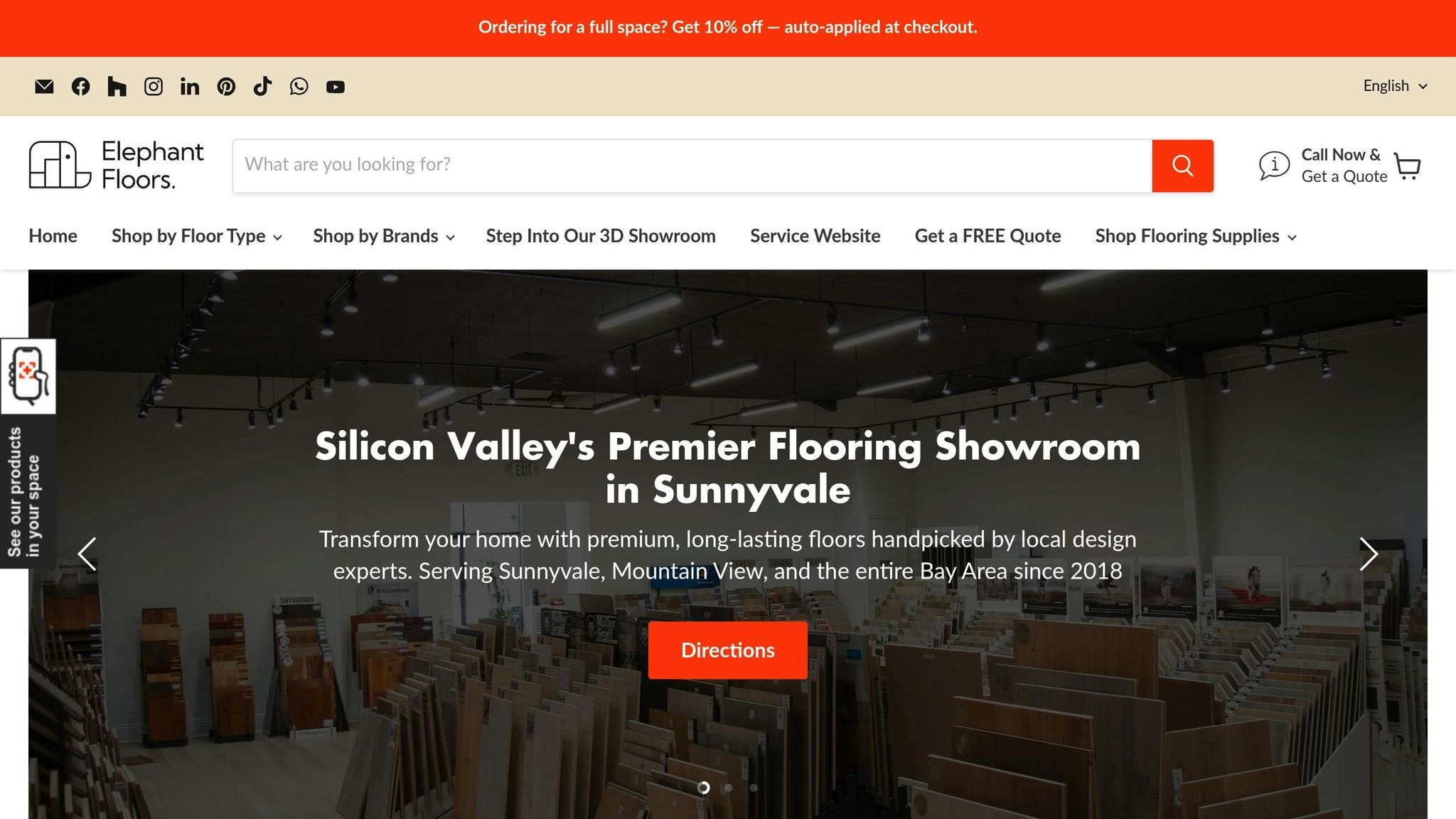
When it comes to flooring that can handle the challenges of humid climates, local expertise makes all the difference. In the Bay Area, where moisture levels can be high, Elephant Floors stands out as a trusted name. Based in Sunnyvale, California, they specialize in providing laminate flooring solutions designed to handle moisture-rich environments.
Elephant Floors offers a carefully selected range of premium laminate brands, including Gaia Flooring, Vellichor, and Medieval Floors. These brands are known for their ability to withstand humid conditions, with Medieval Floors products being a standout choice. Their water-resistant and stain-protective qualities make them ideal for spaces like kitchens and bathrooms, where moisture can be a constant issue.
Proper installation is key to ensuring laminate flooring performs well over time, especially in high-humidity areas. Elephant Floors' skilled installation team has extensive experience working in moisture-sensitive spaces, such as kitchens and bathrooms. They follow best practices tailored to the Bay Area’s unique climate, ensuring that every floor is prepped and installed to maximize durability and longevity.
For those who want to see and feel their options before making a decision, Elephant Floors offers a hands-on experience at their Sunnyvale showroom, located at 950 E El Camino Real. Here, you can explore a variety of laminate styles and get personalized advice from knowledgeable staff. Plus, the availability of free samples allows you to test products in your own space, giving you confidence in your choice.
Dealing with the Bay Area's humidity can feel tricky, but laminate flooring offers a practical solution. Unlike traditional hardwood, which tends to expand and contract with fluctuating moisture levels, laminate's layered, composite structure is designed to remain stable year-round. Its moisture-resistant qualities make it a reliable choice for homes in this region.
To get the best results, focus on modern laminate options with moisture-resistant or waterproof cores, like HDF, SPC, or WPC. These advanced materials help prevent common issues like water damage, swelling, or warping, ensuring your floors stay in great shape.
Maintaining your floors is equally important. Regular cleaning, managing indoor humidity, and hiring skilled installers familiar with the Bay Area's climate will go a long way in protecting your investment and extending the life of your flooring.
If you're a Bay Area homeowner, working with local experts can make all the difference. Elephant Floors in Sunnyvale offers a curated selection of premium laminate options suited to the region's needs. Their showroom lets you see and feel top brands in person, and their experienced team understands the specific challenges posed by the local climate. Plus, they provide free samples, so you can test how different laminates look and perform in your home before committing.
With quality laminate flooring, professional installation, and proper care, you can enjoy durable, stylish floors that stand up to the Bay Area's humidity while meeting the unique needs of your home.
Laminate flooring is water-resistant, but it’s not entirely waterproof. This means it can be vulnerable to issues like warping or swelling, especially in the Bay Area's humid climate. While it might perform well in areas with low moisture exposure, it’s not the best fit for spaces with consistently high humidity.
Luxury vinyl plank (LVP) stands out as a stronger contender for humid environments. It’s highly water-resistant and often completely waterproof. Thanks to its durability and ability to resist moisture, LVP holds up well over time, both in appearance and structure.
If you’re looking for the ultimate defense against moisture, ceramic tile is the way to go. Naturally waterproof and exceptionally durable, it’s ideal for bathrooms, kitchens, or any space prone to high humidity.
To make sure your laminate flooring lasts in the Bay Area's humid conditions, start by preparing a dry and level subfloor. In moisture-prone areas like basements, adding a vapor barrier is a smart move to protect your flooring. Before installation, let the laminate planks sit in the room for at least 48 hours to acclimate to the environment. This step helps reduce the chances of the planks expanding or contracting later.
Using a floating installation method is another great choice. This technique allows the flooring to adjust naturally to humidity changes, preventing issues like warping or gaps.
Keeping your indoor humidity levels between 30–50% is equally important. By monitoring and controlling moisture in your home, you can help your laminate floors stay in great shape for years.
To keep your laminate flooring in great shape despite the Bay Area's humidity, focus on options that include water-resistant features. Look for products with a moisture-resistant core or a protective surface layer. Laminate flooring with a WPC (Wood Plastic Composite) or SPC (Stone Plastic Composite) core is especially tough. These materials handle moisture well, helping to prevent issues like warping or swelling in damp conditions.
Equally important is proper installation. Always use a moisture barrier underneath the flooring to guard against ground-level humidity. With the right laminate and careful installation, you can achieve a stunning, durable floor that withstands the Bay Area's tricky climate.
Leave a comment