
अब कॉल करें &
Get a Quote
एक कहावत कहना

Looking for eco-friendly flooring? Vinyl and laminate are top choices for durability, style, and reducing waste. Here's what you need to know:
Key takeaway: Vinyl is better for wet spaces, while laminate works well in dry rooms. Both are durable and reduce waste, but environmental impacts vary.
| Feature | Vinyl Flooring | Laminate Flooring |
|---|---|---|
| Water Resistance | 100% waterproof | Water-resistant but vulnerable to standing water |
| Durability | Highly resistant to wear | Good for dry, low-moisture areas |
| Recycled Content | Increasingly includes recycled materials | Uses recycled wood fibers |
| Indoor Air Quality | Low-VOC options available | Low-emission adhesives and resins |
| End-of-Life | Limited recycling options | Also difficult to recycle due to composite makeup |
Choose based on your home's needs, and check certifications like GREENGUARD Gold for healthier options.
Let’s take a closer look at vinyl flooring to understand its environmental impact by examining the materials, manufacturing process, and overall lifecycle.
Vinyl flooring primarily relies on PVC, but modern advancements have introduced more sustainable practices. Many manufacturers now incorporate recycled materials and use a limestone composite backing, which reduces the need for new PVC and adds durability.
Production methods have also seen improvements. Some factories operate on renewable energy, while others use closed-loop water systems to recycle water during manufacturing. The click-lock installation system found in many luxury vinyl planks eliminates the need for adhesives, cutting down on potentially harmful chemicals. Additionally, many vinyl products are now phthalate-free, using safer alternatives or removing them entirely through updated chemical processes.
From production to disposal, vinyl flooring offers several environmental benefits. Its durability reduces the need for frequent replacements, meaning less waste over time. Being lighter than materials like ceramic tile or stone also means it requires less fuel during transportation, further lowering its environmental footprint.
At the end of its life, vinyl flooring has more recycling options than before. Some manufacturers provide take-back programs to recycle old flooring into new products. While the recycling infrastructure for vinyl is still growing, the material can be mechanically recycled multiple times without major quality loss. However, it’s worth noting that vinyl production still consumes more energy compared to some other flooring options. Even so, these advancements make vinyl a viable eco-conscious choice for many homes.
Indoor air quality is another important factor to consider. Many modern vinyl flooring products are designed to emit low levels of VOCs (volatile organic compounds) and are certified by organizations like FloorScore or GREENGUARD Gold. Any VOC emissions typically occur right after installation, and proper ventilation can help clear them quickly.
Additionally, vinyl flooring often includes antimicrobial surface treatments that resist mold, mildew, and bacteria, making it a healthier option for moisture-prone areas. Its non-porous surface also prevents the buildup of allergens, dust, and pet dander, making cleaning easier with mild, non-toxic products. While modern formulations are much improved, those with chemical sensitivities should still evaluate their options carefully. Overall, these features contribute to a cleaner and healthier indoor environment.
Let's take a closer look at how laminate flooring measures up in terms of eco-friendliness by examining its materials, manufacturing process, and overall environmental impact.
Laminate flooring stands out for its use of recycled and natural materials, paired with efficient manufacturing practices. Its construction typically includes four layers: an HDF or MDF core made from recycled wood fibers, a decorative photographic layer, a protective resin wear layer, and a melamine backing layer that adds moisture resistance and stability.
Many manufacturers are making strides to reduce waste and resource use. For instance, HDF cores are often produced from repurposed wood waste. Companies like Pergo aim to incorporate 25% recycled waste into their HDF fiberboards by 2030. Similarly, Inhaus's Ecolam line uses 100% local, renewable fiber, cutting resource usage by 30% and slashing transportation impacts in half.
"Laminate as a category is inherently friendly on the environment. The majority of the product is made from a natural, renewable material and sustainably harvested", says John Hammel, Senior Director of Hardwood and Laminate at Mannington.
Laminate flooring doesn’t just shine in production - it’s also designed for durability and sustainability throughout its lifecycle. For example, the UNILIN Group recycles HDF fiberboards into new materials, effectively doubling the lifespan of wood fibers and reducing waste. Pergo uses sustainable energy for 70% of its heating needs, while Mohawk's RevWood boasts a carbon-negative footprint, certified at the Platinum Level LF-02 standard.
"This is a third-party certification confirming the product's carbon-negative footprint. In short, that means every square foot of RevWood consumes or encapsulates more carbon than is created in the manufacturing process", explains David Moore, Senior Product Director for Wood and Laminate at Mohawk.
Additionally, laminate flooring is built to last for decades with proper care, which means fewer replacements and reduced waste over time.
Beyond its environmental benefits, laminate flooring contributes to healthier indoor air quality. Modern laminates incorporate low-emission resins and adhesives that meet rigorous standards, including GREENGUARD Gold, FloorScore, CARB Phase 2, Nordic Swan, and EU Ecolabel certifications.
Pergo laminate floors were pioneers in achieving certifications like the Nordic Swan Ecolabel, EU Ecolabel, and Cradle to Cradle Material & Health Certificate at the bronze level. Their lack of harmful chemicals makes them a great choice for individuals with sensitivities. Plus, the smooth, sealed surface resists dust, allergens, and moisture, making cleaning straightforward with non-toxic products. This combination of safety and ease of maintenance makes laminate an appealing option for eco-conscious and health-focused households alike.
When deciding between vinyl and laminate flooring for your Palo Alto home, understanding how each option performs can make the choice easier. Their practical benefits and limitations can have a big impact on Bay Area homeowners.
Vinyl flooring stands out for its toughness, especially in high-traffic areas. Options like luxury vinyl plank (LVP) and stone plastic composite (SPC) vinyl are built with a dense, polymer-based structure that resists scratches and dents. A protective wear layer adds extra resilience, making it well-suited for everyday use.
Maintenance is straightforward with vinyl. A quick sweep or damp mop using mild cleaners is usually all it takes. Its non-porous surface keeps spills from seeping in, making cleanup hassle-free.
Laminate flooring, on the other hand, can also hold up well over time, thanks to its durable wear layer that protects against scratches and fading. However, in areas with heavy foot traffic, it may start to show wear. Deep scratches or gouges in laminate can be trickier to fix compared to vinyl. Routine cleaning is similar, but laminate requires additional care to avoid using too much water during mopping, as excessive moisture can cause damage.
Next, let's examine how these materials handle water - a crucial factor in Palo Alto's fluctuating humidity.
Water resistance is a major difference between vinyl and laminate, especially in a climate like Palo Alto's, where humidity can vary.
Vinyl flooring is completely waterproof, making it a top choice for areas that might see frequent moisture exposure. Its 100% polymer construction or dense stone-filled core (in the case of SPC vinyl) ensures it doesn't absorb water. This means it won't swell or warp, even when exposed to standing water.
SPC vinyl, in particular, is designed to repel water effectively. It can handle standing water without damage, making it ideal for spaces like kitchens, bathrooms, laundry rooms, and basements.
Laminate flooring, however, tells a different story. Even water-resistant or waterproof laminate typically contains a high-density fiberboard (HDF) core or softwood fibers. These materials can swell, buckle, or deform when exposed to significant moisture. While water-resistant laminate can handle small spills if cleaned up quickly, it’s not built for prolonged water exposure. Even waterproof laminate, though much improved, is better suited for areas with minimal risk of standing water. This makes vinyl the go-to option for spaces where moisture is a constant concern.
Now, let’s consider how these differences affect the lifespan of each material.
Vinyl’s waterproof design not only extends its lifespan but also reduces the need for frequent replacements. This durability can help minimize waste over time, making it a practical choice for homeowners.
Laminate, with its wood-based core, is more vulnerable to moisture-related damage. While it can provide years of reliable performance in dry areas, it doesn’t match vinyl’s durability in moisture-prone spaces.
For homes in Palo Alto, vinyl tends to perform better in areas like kitchens and bathrooms, where moisture is a factor. Laminate, on the other hand, works well in drier spaces. Overall, vinyl’s ability to handle water gives it an edge in versatility and long-term reliability.
Now that we've explored the environmental and performance aspects of vinyl and laminate flooring, a direct comparison can help you decide which option aligns better with your sustainability goals. Here's a quick breakdown of their key features:
| Feature | Vinyl Flooring | Laminate Flooring |
|---|---|---|
| Carbon Footprint | Higher due to petrochemical and coal-powered manufacturing | Moderate, though energy-intensive production and transport add to emissions |
| Recycled Content | Newer products increasingly include recycled materials | Utilizes wood fiber by-products and some recycled content |
| VOC Emissions | Can release toxic substances like PFAS chemicals | Contains formaldehyde and other VOCs from resins |
| Water Resistance | Offers excellent waterproofing | Water-resistant options exist, but prolonged moisture exposure can damage the core |
| Durability | Highly resistant to scratches and dents, especially SPC vinyl | Good wear resistance, though high-traffic areas may show wear over time |
| Maintenance Impact | Requires minimal chemical cleaning | Needs careful cleaning to avoid moisture-related damage |
| End-of-Life Recycling | Difficult to recycle due to composite materials, often ending up in landfills | Recycling is also limited by composite construction, leading to landfill disposal |
| Longevity | Long lifespan thanks to its waterproof design, reducing replacements | Performs well in dry conditions, but moisture can shorten its durability |
Beyond these features, there are notable trends shaping the sustainability of these materials. For vinyl, the shift to coal-dependent manufacturing in China has significantly increased its carbon footprint. This highlights vinyl's higher environmental impact compared to laminate.
Both industries, however, are making strides toward eco-friendlier practices. Vinyl manufacturers are focusing on energy efficiency, sourcing raw materials responsibly, and increasing the use of recycled content. Laminate producers, on the other hand, continue to incorporate wood waste by-products, which helps reduce overall material waste in construction.
Recycling remains a challenge for both materials due to their composite nature. Most products still end up in landfills, though emerging recycling programs show promise.
One area where vinyl stands out is water resistance, which contributes to its longer lifespan - a crucial factor for homes in places like Palo Alto. Ultimately, these differences can guide you in choosing the flooring that best suits your home's needs while keeping sustainability in mind.
Finding the perfect flooring means balancing environmental responsibility with practicality. By focusing on a few key factors, you can choose an eco-friendly option that works for your lifestyle.
When evaluating sustainable flooring, here are some important aspects to keep in mind:
Considering these factors will help you make a thoughtful, eco-conscious decision.
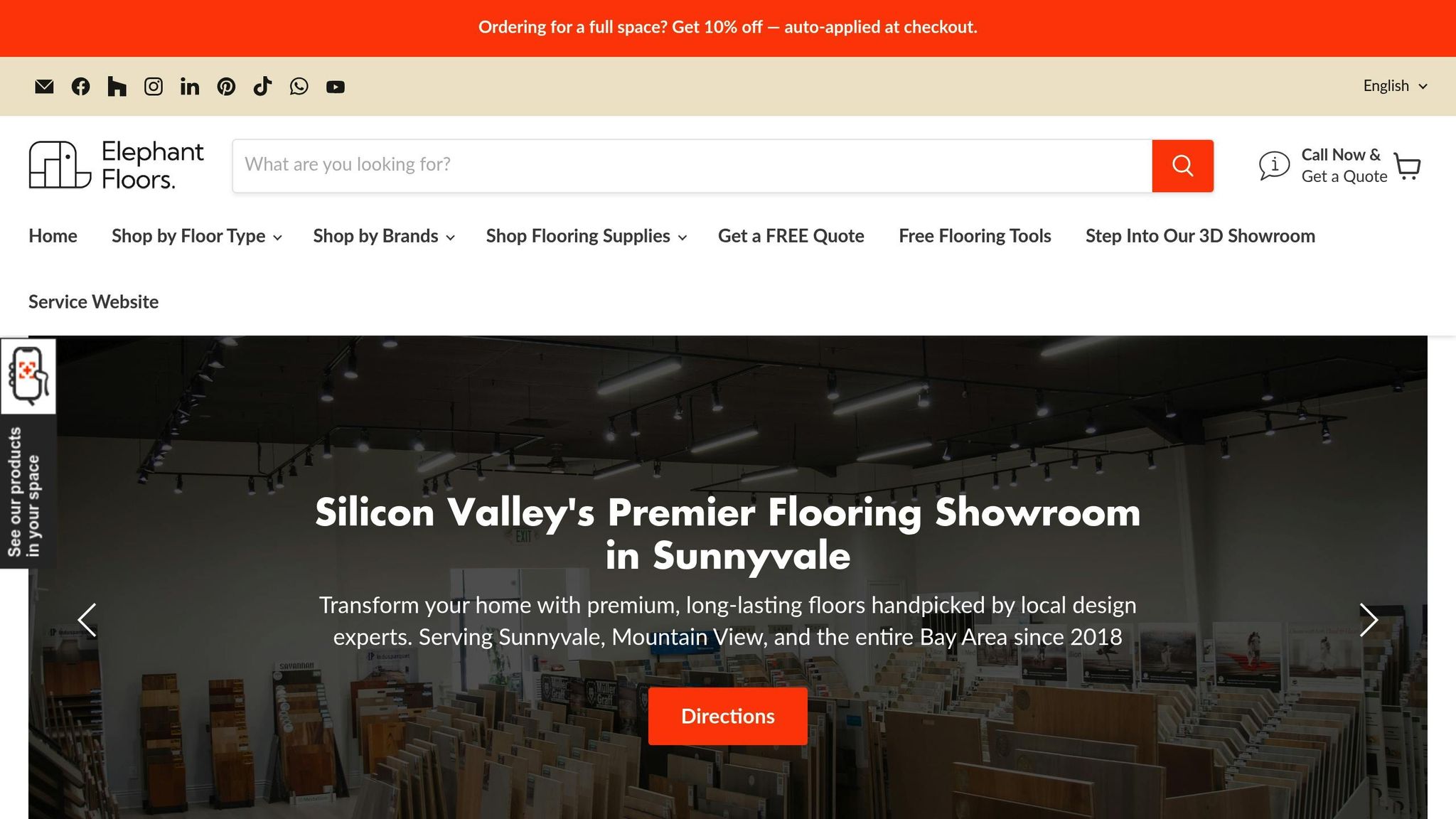
Navigating the world of green flooring is easier with expert guidance, and Elephant Floors is here to help. Their Sunnyvale showroom lets you explore a variety of sustainable flooring options in person. Even better, their free sample program allows you to test products and see how they perform in your space.
The team at Elephant Floors provides detailed consultations to help you understand the sustainability aspects of each product. They’ll explain everything, from material composition to manufacturing practices and certifications. With access to premium eco-friendly brands like Gaia Flooring and Medieval Floors, you’ll have plenty of great options.
To make the process even smoother, Elephant Floors offers digital scheduling and quoting tools. This ensures your project is organized and customized to fit your specific needs.
When deciding between vinyl and laminate for your Palo Alto home, it's essential to weigh environmental considerations alongside performance. Vinyl stands out for areas like kitchens and bathrooms, thanks to its excellent water resistance. This makes it a reliable choice for moisture-prone spaces. On the other hand, laminate works well in dry areas, offering solid performance in living rooms or bedrooms. Vinyl’s durability also means it lasts longer, reducing the need for frequent replacements and minimizing waste over time.
Both options are designed to handle everyday wear and tear, but keep in mind that neither can be refinished if damaged. The specific conditions in your home will help determine the better fit.
For those prioritizing eco-friendly options, look for certifications like GREENGUARD Gold. These certifications ensure the product has low VOC emissions, contributing to better indoor air quality.
Still feeling uncertain? Flooring experts can provide valuable insights to simplify the decision-making process. The team at Elephant Floors, for example, can guide you through the sustainability features of trusted brands like Gaia Flooring and Medieval Floors. Plus, their free sample program allows you to test different materials in your home, making it easier to choose the green flooring option that works best for your space.
Vinyl flooring stands out with several eco-friendly benefits compared to laminate. Many modern vinyl options are recyclable, meaning they can be repurposed multiple times without compromising their quality. Plus, producing vinyl generally requires less energy, which helps lower its carbon footprint.
On top of that, many luxury vinyl products incorporate recycled materials and are crafted using environmentally conscious methods. This combination of durability, style, and reduced environmental impact makes vinyl a smart choice for homeowners aiming to make greener decisions.
GREENGUARD Gold certification ensures that flooring products meet rigorous standards for low chemical emissions, playing a key role in maintaining healthier indoor air. This can be especially beneficial for families, individuals with allergies, or anyone aiming to create a safer living environment.
When deciding between vinyl and laminate flooring, choosing GREENGUARD Gold certified options means selecting materials that align with a healthier and more environmentally conscious lifestyle. This certification offers reassurance that your flooring not only supports better air quality but also reflects a commitment to responsible living.
Recycling vinyl and laminate flooring comes with its own set of hurdles, mainly because of the materials involved. Vinyl flooring often includes PVC, a type of plastic that's tough to separate during the recycling process. Laminate flooring, meanwhile, is made up of multiple layers and different materials, which adds to the complexity.
That said, there’s progress being made. Programs like Recofloor are stepping up to recycle waste vinyl into new products. At the same time, advancements in recycling technology are making it easier to process mixed materials. These efforts are helping to cut down on landfill waste and extend the lifecycle of these flooring types.
एक टिप्पणी छोड़ें