
Gọi ngay &
Get a Quote
Nhận báo giá

Medieval Floors combine classic European-inspired design with modern durability, making them a popular choice for Bay Area homes. These floors are available in waterproof SPC (Stone Plastic Composite) options and engineered hardwood, designed to handle the region's climate challenges like moisture and temperature fluctuations. Prices range from $3.89 to $7.79 per square foot for materials, with installation costs adding $2–$10 per square foot depending on complexity. Additional expenses, like subfloor preparation and old floor removal, can increase the overall budget.
For a 1,000 sq ft project, expect total costs to range from $13,860–$38,240, depending on materials and installation specifics. To save, consider seasonal discounts, opt for cost-effective collections, and get multiple contractor quotes.
Medieval Floors not only improve your home’s appearance but also add long-term value, especially in the competitive Bay Area real estate market.
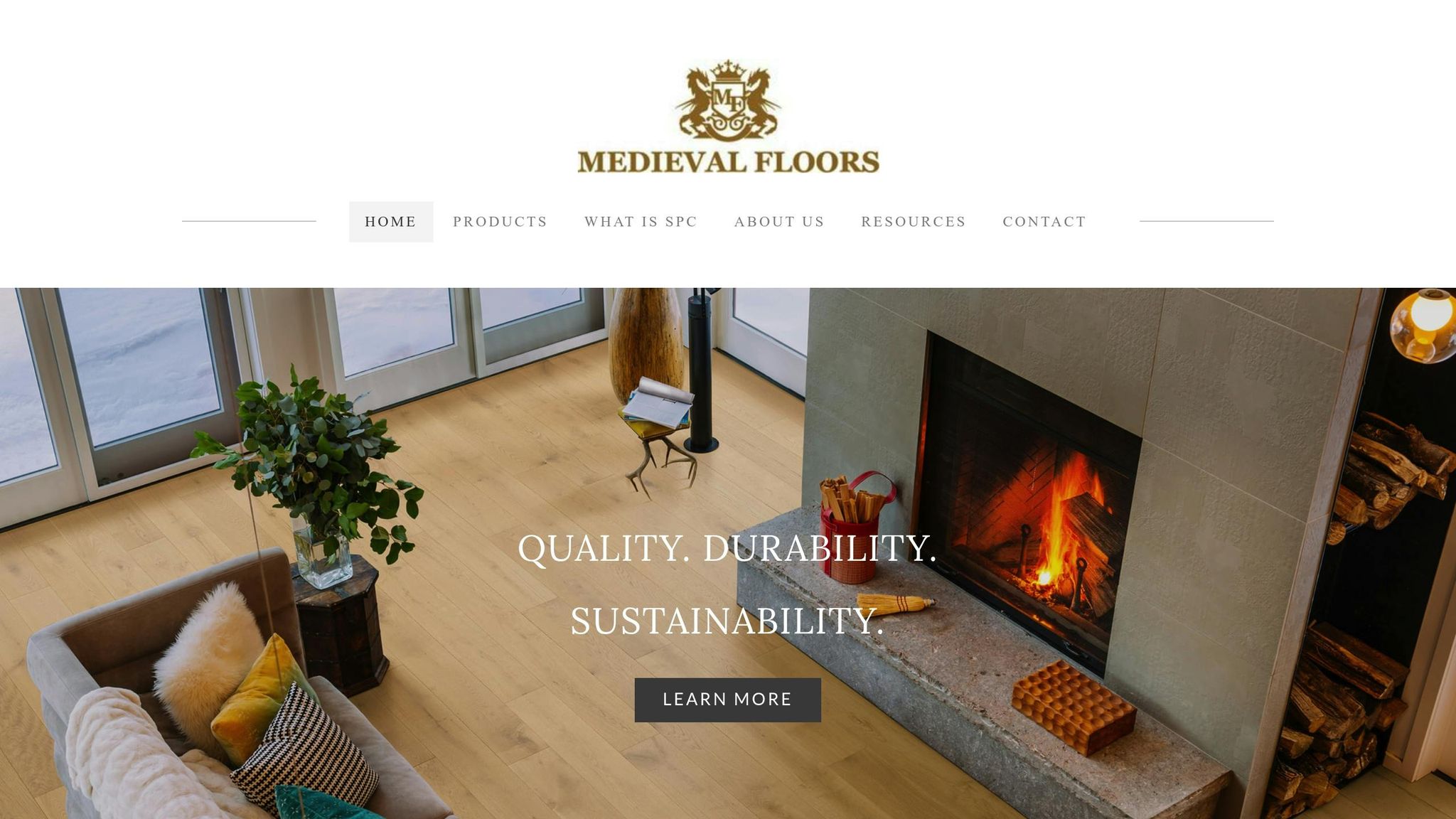
Medieval Floors bring together durable construction and timeless design, making them a popular choice for Bay Area homeowners. Designed to handle the unique challenges of California living, these floors combine style with practicality. Below, we’ll explore the standout features that make Medieval Floors a solid choice for homes in the region.
The SPC collection is built to last, with an impressive core density of 2,100 kg/m³, making it tough enough to handle the demands of busy households in the Bay Area. These floors are available in 100% waterproof options, which are perfect for high-moisture areas like kitchens, bathrooms, and entryways. Unlike traditional hardwood, which can warp or buckle when exposed to water, SPC flooring maintains its structure even in challenging conditions.
To further enhance durability, these floors feature a cutting-edge finish system that includes prime urethane and ceramic bead coating, providing excellent resistance to scratches and stains. A 0.5mm/20mil wear layer adds an extra layer of protection, exceeding industry standards. Additionally, each SPC plank comes with a 1.5mm anti-bacterial IXPE underlayment, which not only adds a layer of comfort but also promotes a cleaner, healthier home environment.
Medieval Floors cater to a variety of design preferences through collections that offer a range of styles and colors. The Marseille Collection, for instance, includes eight distinct shades - Chaumont, Alsace, Pessac, Valencian, Allier, Laval, Clermont, and Troyes - spanning from light, modern tones to deeper, more traditional hues. On the other hand, the Architectural Collection features European White Oak in character grade, paired with contemporary color options for a refined look.
With sizes and designs that suit both modern and classic aesthetics, Medieval Floors offer flexibility for any home. Collections like Super SPC and Valetta provide sleek, modern finishes, while the Nouvelle options highlight timeless wood grain patterns. Whether you’re updating a historic San Francisco home or designing a sleek Silicon Valley space, there’s a Medieval Floors option to match your vision.
Medieval Floors go beyond good looks - they also offer long-term value. Their multi-layer construction resists warping and gapping, even with the Bay Area’s fluctuating climate. The use of 100% virgin materials in SPC products ensures lasting quality, helping the floors maintain both their appearance and structural integrity over time.
This combination of durability and aesthetic appeal makes Medieval Floors a smart investment, especially in competitive Bay Area real estate markets. Homeowners benefit from floors that require minimal maintenance while enhancing property value. The floating click installation system also simplifies setup and makes repairs easier.
| Feature | SPC Collection | Engineered Hardwood |
|---|---|---|
| Waterproof | 100% waterproof | Not waterproof |
| Core Density | 2,100 kg/m³ | Multi-layer wood |
| Wear Layer | 0.5mm/20mil | Varies by product |
| Installation | Floating click | Floating click |
| Best For | High-moisture areas | Living spaces |
Understanding the cost breakdown of flooring can help you avoid unexpected expenses. Pricing varies based on the flooring collection, installation complexity, and regional market trends.
The cost of flooring materials depends on the type and design. For example, the Marseille Collection is priced at $3.89 per square foot, making it an affordable choice. It features 8mm planks and comes in eight colors, including Chaumont, Alsace, and Pessac. This collection is a great option for homeowners seeking quality without the higher price tag.
At the higher end, the Architectural Collection is priced at $7.79 per square foot. This premium collection is made from European White Oak, offering durability and a modern aesthetic.
Here’s a quick comparison of pricing across different types of flooring:
| Collection Type | Price Range (per sq ft) | Key Features |
|---|---|---|
| SPC Collections | $4–$16 | Waterproof, high-density core |
| Hardwood Collections | $11–$25 | Premium wood, long-term value |
| Engineered Options | $7–$20 | Climate-stable construction |
For mid-range pricing, the Sand Dune style from Medieval Floors costs about $11.09 per square foot, calculated from bulk pricing at $346.52 for a 31.26 sq ft box. This style reflects the craftsmanship and design sophistication Medieval Floors is known for.
Next, let’s look at how installation costs can influence your overall budget.
Installation costs vary depending on labor rates and local market conditions. For hardwood flooring, professional installation typically costs $3–$10 per square foot, while SPC collections are more affordable at $2–$5 per square foot, thanks to their simpler floating click system.
Location within the Bay Area also plays a role. For instance, installation in San Francisco tends to cost $6–$10 per square foot, whereas areas like Fremont typically range from $4–$7 per square foot.
Other factors that can impact installation costs include multi-story setups and complex room layouts. Multi-story installations may increase costs by 10–25% due to added material transport and logistics. Similarly, intricate room layouts can lead to additional charges.
"From selection to installation, we're with you every step", says Elephant Floors.
The SPC floating click system used by Medieval Floors reduces installation time and eliminates the need for glue, helping to lower labor costs.
Beyond materials and installation, there are additional costs to consider. Subfloor preparation typically costs $2–$8 per square foot, and removing old flooring adds $1–$4 per square foot. Bay Area permit fees can range from $200–$1,000, depending on the project size. If you’re installing over concrete, moisture barriers add $0.50–$1 per square foot.
"They were professional, efficient, and showed real care in everything they did from the demo through to the final installation... their cleanup was so thorough you'd never know how much work had taken place", shares Mike B, a satisfied Elephant Floors customer.
For a 500-square-foot hardwood installation, here’s an approximate budget breakdown:
Experts recommend adding 20–30% to your budget to cover unexpected expenses. To ensure accurate pricing and quality work, get at least three quotes from licensed contractors and verify their credentials. This comprehensive breakdown will help you plan your project with confidence.
Planning your budget is a crucial step when installing Medieval Floors in Bay Area homes. The unique challenges of this region, like higher labor costs and varying permit requirements, make precise cost tracking essential for a successful project.
Here’s an example of what you might expect for a 1,000-square-foot installation, using two popular collections from Medieval Floors:
Marseille Collection (priced at $3.89 per square foot):
Adding a 25% contingency brings the total cost to roughly $13,860–$31,110.
Architectural Collection (priced at $7.79 per square foot):
For premium projects using the Architectural Collection, total expenses can range from $18,740–$38,240.
"The owner Daniil came out to the house to give us the estimate and answer any questions", says Judith M, emphasizing the importance of consulting professionals for accurate cost assessments.
Next, let’s explore ways to manage these costs without compromising on quality.
Here are a few strategies to help you save while maintaining high standards:
"From the beginning, Artur was incredibly helpful - he came out to give me a quote, explained all the details clearly, and walked me through the entire process", shares Mike B, highlighting the value of expert advice when planning your budget.
Once you've covered cost breakdowns and budgeting strategies, it’s time to explore the perks of local deals and showrooms. Knowing where and when to shop can make a big difference in getting the most value for your Medieval Floors project. Homeowners in the Bay Area can tap into local showrooms for competitive prices, expert advice, and exclusive offers.
The timing of your flooring purchase can have a noticeable impact on your overall expenses. Many Bay Area showrooms, for instance, offer their best discounts during slower seasons. Take Elephant Floors as an example - they’re currently running a 10% discount for customers who order flooring for an entire space. Let’s say you’re planning a 1,000-square-foot project with a premium Medieval Hardwood option like the Baja Sahara collection, which costs about $9 per square foot. That discount could save you around $90 on materials alone.
To stay on top of these deals, sign up for email newsletters or follow your local showroom’s social media pages. Flash sales and limited-time promotions can pop up unexpectedly, and staying informed ensures you won’t miss out. These savings naturally tie into the advantages of visiting a local showroom.
Shopping in person at a showroom offers a hands-on experience that online browsing just can’t replicate. At Elephant Floors’ Sunnyvale location, for example, you’ll find a wide selection of Medieval Floors along with expert advice from seasoned professionals. A satisfied Bay Area homeowner had this to say:
"Elephant Floors has a fabulous showroom and Mike was a great help in picking out the flooring."
Seeing and touching the flooring in person allows you to confidently compare collections like Chaumont, Rocky Venus, Alsace, and Valencian. This side-by-side comparison helps you choose the style that best suits your home. Plus, local showrooms offer personalized pricing estimates, factoring in details like subfloor conditions, accessibility, and even local permit requirements. This tailored approach ensures you’re getting the best value for your project.
Free samples can be a game-changer when deciding on flooring. At Elephant Floors, you can request complimentary samples to see how different Medieval Floors products look in your home. It’s a small step that makes a big difference when investing in new flooring.
Local showrooms also offer bundled packages that simplify the entire process. At Elephant Floors, serving Sunnyvale, Mountain View, and the wider Bay Area since 2018, you’ll find packages that include installation, warranty coverage, and project coordination. These bundles not only save money but also ensure that everything - from subfloor preparation to installation - is handled with precision.
Combining free samples, expert guidance, and all-inclusive service packages makes local showrooms an invaluable resource for your Medieval Floors project. They provide the expertise and local knowledge you need to make confident decisions while ensuring your flooring is installed flawlessly.
Taking care of your Medieval Floors is essential for preserving their beauty and functionality. With features like ceramic bead coating and an anti-bacterial underlayment, these floors are built to last. Regular maintenance not only keeps them looking great but also ensures they perform well over time.
Incorporate simple daily habits to keep your floors in top condition. Use a soft-bristle broom or vacuum daily to remove dirt and grit, which can cause scratches. For a deeper clean, opt for a damp microfiber mop and a pH-neutral cleaner. Avoid harsh chemicals like ammonia, bleach, or oil-based soaps, as they can damage the finish or the waterproof core.
A few extra steps can go a long way in extending the life of your floors. Place mats at entryways to minimize dirt being tracked in, and use felt pads under furniture legs to prevent scratches. If you have pets, keep their nails trimmed and clean up spills promptly with a dry or slightly damp cloth to avoid stains. It's also a good idea to maintain indoor humidity levels between 35-55%, especially for engineered hardwood. This helps prevent warping and keeps the multi-layer construction stable through seasonal changes.
Medieval Floors often come with warranties ranging from 15 years to lifetime coverage, depending on the product line. These warranties typically cover manufacturing defects, wear-through, and water resistance for SPC products. However, their validity hinges on following the recommended care and maintenance guidelines.
The SPC collection stands out for its durability, boasting specs like a density of 2,100 kg/m³ and a premium urethane finish with ceramic bead coating. To maintain your warranty, avoid unapproved cleaning products, ensure proper installation, and protect the floors from excessive moisture. Always follow the manufacturer’s maintenance instructions, and register your warranty while keeping records of professional installation. For any deep scratches or damage, stick to manufacturer-approved touch-up kits; DIY repairs could void your warranty.
By adhering to these care tips and warranty requirements, you not only preserve your floor's performance but also enhance its appeal for years to come.
Well-maintained Medieval Floors can add significant value to your home, particularly in the competitive Bay Area housing market. Buyers today often prioritize flooring that is both waterproof and low-maintenance. The combination of high-quality materials and reliable performance - like the SPC collection's 100% waterproof protection and the authentic look of engineered hardwood - makes these floors a standout feature.
Keep detailed records of your purchase, warranty, installation, and maintenance. These documents not only simplify warranty claims but also give potential buyers confidence that your home has been well cared for. Scheduling occasional professional cleanings in high-traffic areas can further preserve the finish and overall appearance, which can make a strong impression during home showings.
With their durability and performance, Medieval Floors are a smart investment that enhances your daily living experience while boosting your home's long-term value.
Opting for Medieval Floors for your Bay Area home is a wise choice that merges durability, style, and long-term value. Their 100% waterproof SPC collections, crafted with high-density construction (2,100 kg/m³), are designed to handle the hustle and bustle of daily life while maintaining their timeless appeal. The financial upside is clear - they’re competitively priced in the premium flooring market and can significantly enhance your home's resale value in the Bay Area's dynamic real estate scene.
Local expertise further elevates this investment. Elephant Floors, with their Sunnyvale showroom, provides an opportunity to experience Medieval Floors collections in person. Backed by over 25 years of experience, their team is dedicated to helping you find the perfect flooring solution tailored to your needs and budget.
"Transform your home with premium, long-lasting floors handpicked by local design experts." - Elephant Floors
The practical perks of Medieval Floors go beyond aesthetics. Features like anti-bacterial underlayment and waterproof construction reduce concerns about spills, pet mishaps, or moisture - issues that are all too common in Bay Area homes. Plus, comprehensive warranties (specifics vary by collection) offer peace of mind. Whether your home is a historic Victorian or a sleek modern condo, these floors seamlessly blend with the region’s diverse architectural styles, enhancing your home’s charm and functionality for years to come.
Partnering with local professionals like Elephant Floors adds even more value. Their personalized approach includes expert guidance during product selection, professional installation, and ongoing support - key elements for ensuring your floors perform beautifully and stand the test of time.
Medieval Floors aren’t just about upgrading your home - they’re about elevating your lifestyle and increasing your property’s appeal. With proper care and professional installation from trusted local partners, these floors will continue to enhance your home’s value and comfort for generations.
When choosing between SPC (Stone Plastic Composite) flooring and engineered hardwood for your Bay Area home, it's important to weigh factors like cost, durability, and how well each option handles moisture.
SPC flooring tends to be more budget-friendly, extremely durable, and highly resistant to water. These qualities make it an excellent option for areas like kitchens or bathrooms where moisture is a concern.
Engineered hardwood, on the other hand, offers the classic charm of real wood with its authentic look and feel, adding a touch of elegance to your home. However, it’s generally less resistant to water and often comes with a higher price tag.
Think about your budget, the specific needs of the room, and the overall style you want to achieve before making your decision.
To keep the cost of installing Medieval Floors more manageable, start by checking out various collections and styles that fit your budget. For instance, thinner planks such as the MARSEILLE COLLECTION (8mm) can be a more budget-friendly choice compared to thicker options. Another smart tip is to shop locally - this not only opens up the chance for discounts or special promotions but also helps cut down on shipping costs.
If you're feeling overwhelmed or unsure where to start, visiting a flooring showroom can make a big difference. You’ll have the chance to compare materials side by side, get advice from experts, and even request free samples to ensure the flooring you choose suits your home perfectly.
To keep your Medieval Floors looking their best in areas with high moisture, a bit of regular care goes a long way. Start by addressing spills right away - this helps prevent water from causing damage. When cleaning, stick to a damp (not soaking wet) mop and steer clear of harsh chemicals that might damage the finish.
For extra defense against moisture, place rugs or mats in spots like near sinks or entryways where water exposure is more likely. It's also smart to maintain indoor humidity levels between 30% and 50%, as this can help avoid warping or swelling over time. By sticking to these straightforward tips, you can preserve the charm and durability of your Medieval Floors for years.
Để lại bình luận